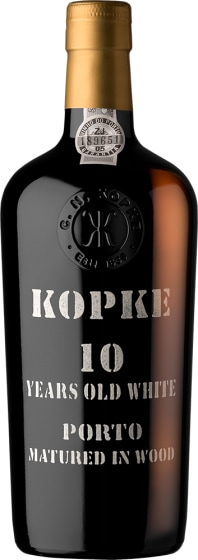
Port wine is rich, complex, and built to last. Made in Portugal’s Douro Valley, it’s one of the most distinctive fortified wines, balancing sweetness with structure and depth. Some Ports are fresh and fruit-driven, while others take on deep caramel and spice notes after decades of aging.
What Is Port Wine
Port is a fortified wine from Portugal’s Douro Valley, where steep vineyards and hot summers create concentrated, flavorful grapes. Winemakers add grape brandy during fermentation, locking in natural sweetness and increasing alcohol content. The result is a wine that’s both rich and structured, with layers of fruit, spice, and sometimes caramelized depth.
The core grape varieties bring different qualities to the blend that each producer uses to reflects their style:
Touriga Nacional is bold and floral
Touriga Franca is softer and aromatic
Tinta Roriz (Tempranillo) adds structure
Tinta Barroca brings plush fruit
Tinto Cão contributes freshness and aging potential
Aging is the key to Port’s diversity, influencing everything from flavor to texture. Some styles, like Ruby Port, are bottled young to retain their vibrant fruit flavors, while others, like Tawny Port, mature in wooden casks, developing layers of dried fruit, spice, and caramel. Vintage Ports, bottled young in standout years, have the potential to evolve for decades, growing in complexity.
Styles of Port
Port wine comes in a variety of styles, each with its own distinct character, aging process, and ideal pairings. There’s a perfect match for every palate and occasion.
Ruby Ports are youthful, vibrant and fruit-driven, packed with blackberry and plum
Tawny Ports spend years in oak, developing warm notes of toffee, hazelnut, and dried fig
Vintage Ports are bottled young and meant to evolve for decades
White and Rosé Ports offer lighter, refreshing alternatives in both sweet and dry versions
Ruby Port
Ruby Ports are the freshest style, bottled early to preserve their deep color and bold fruit flavors. Black cherry, plum, and dark chocolate are common notes, making them a great match for chocolate desserts or strong cheeses. They’re approachable, full-bodied, and perfect for those new to Port.
Tawny Ports age in smaller barrels, which allows oxidation to soften the fruit and bring out flavors of caramel, toasted nuts, and dried figs. The longer the aging, the silkier and more complex the texture. Aged Tawnies—10, 20, 30, or even 40 years—offer deep layers of spice and warmth.
Vintage Port is made from the best years, bottled young, and designed to age for decades. The tannins are firm, the fruit is deep, and the structure is built for the long haul. These wines evolve over time, developing layers of spice, leather, and dried fruit. When opened, they need decanting to separate the sediment.
LBV Port is an excellent alternative to Vintage Port, offering deep concentration but bottled later for a more approachable style. Some are filtered and ready to drink, while others, bottled unfiltered, can develop further with age.
White Port is made from white grapes and can range from bone-dry to lusciously sweet. Lighter styles have citrus and floral notes, while aged versions take on richer nutty flavors. Served chilled, it’s refreshing on its own or mixed into cocktails.
While Portugal is the home of Port, winemakers in California and Australia have crafted their own interpretations. These fortified wines often use Zinfandel or Shiraz, creating bold, fruit-driven styles with generous spice and richness.
Serving Port the right way brings out its depth and balance. Temperature, glass shape, and—when needed—decanting all make a difference.
Ideal Temperatures
Port is best when served at the right temperature. Too warm, and the alcohol takes over. Too cold, and the layers of fruit and spice get lost.
Ruby & Late Bottled Vintage (LBV): 60–65°F (Keeps the bold fruit and structure in check)
Tawny & White Port: 50–55°F (A slight chill lifts the nutty, caramelized notes)
Vintage Port: Around 60°F (At cellar temperature, the depth and complexity are more pronounced)
If the bottle feels too warm, 15 minutes in the fridge helps. If it’s too cold, letting it sit for a few minutes brings the flavors back into focus.
Decanting Tips
Not every Port needs decanting, but older Vintage Ports and crusted Ports do. Over time, sediment forms in the bottle, and pouring carefully keeps it out of the glass.
Pour slowly and steadily, tilt the bottle and let the wine flow gently into a decanter
Stop before the sediment reaches the neck, look for fine particles near the end
Let the wine rest for about 30 minutes, this gives it time to open up
Younger Ports like Ruby, Tawny, and most LBVs—are filtered before bottling, so they don’t need decanting. They can go straight from bottle to glass.
Recommended Glassware
Glass shape matters. A good Port glass concentrates aromas and controls how the wine hits the palate.
Traditional Port glasses or small white wine glasses, keep the aromatics focused while softening the alcohol.
Standard red wine glasses work too, especially for Vintage Ports that need more space to breathe.
Smaller pours (~3 oz), Port is rich, and a little is enough to appreciate its depth.
The right glass and temperature let the wine show its best side—whether it’s a fresh Ruby, an aged Tawny, or a Vintage Port built for the long haul.
Port & Food Pairings
Port is one of the easiest wines to pair with food—it’s bold, structured, and naturally sweet, making it a perfect match for everything from rich cheeses to dark chocolate. The trick is matching the style to the dish.
Ruby Ports love berries and chocolate, while Tawny Ports shine with nuts and caramel. Vintage Ports have the depth to handle strong cheeses, and White Port is bright enough to pair with salty snacks or sip as an aperitif.
Ruby Port – Dark chocolate desserts, berry pastries
Tawny Port – Nut-based desserts, aged cheeses
Vintage Port – Bold cheeses (Stilton, blue cheese), dried fruits
White Port – Savory snacks, or mixed with tonic and lime
Cheese and Charcuterie Suggestions
The richness of Port needs something with texture—cheese, nuts, or even charcuterie. The balance of salt, fat, and sweetness makes every sip feel even more layered.
Hard cheeses (cheddar, aged gouda) – Their sharpness cuts through the sweetness of Tawny or Vintage Port
Blue cheeses (Stilton, Gorgonzola, Roquefort) – The bold saltiness makes Vintage Ports taste even deeper
Walnuts and almonds – Their earthiness pulls out the toasted, nutty notes in aged Tawny Port
Fig and date spreads – The natural sweetness mirrors the dried fruit flavors in Tawny and Vintage Ports
Dessert Pairings
Port and dessert belong together, but the best pairings make both taste better. The wine should be at least as sweet as the dessert, and the textures should complement each other.
Tawny Port with pecan pie or caramel flan – The warm, toasted flavors blend seamlessly
Ruby Port or LBV with chocolate mousse or raspberries – The bright fruit and cocoa richness play off each other beautifully
Each sip should feel like a natural extension of the bite before it—smooth, balanced, and complete
FAQs About Port Wine
How strong is Port wine?
Port is fortified, so it’s stronger than regular wine—typically 19–20% ABV. Adding grape spirit during fermentation preserves sweetness and boosts alcohol.
Why do people drink Port after dinner?
It’s rich, smooth, and naturally sweet, making it a classic after-dinner choice. It pairs beautifully with chocolate, blue cheese, or roasted nuts.
Does Port age well after opening?
It depends on the style. Ruby and Reserve Ports stay fresh for 2–4 weeks, while Tawny Ports can last longer. Vintage Ports fade faster once opened.
A Final Word on Enjoying Port Wine
Port is layered, expressive and diverse. There’s no single way to enjoy it, and that’s part of the appeal!
The best way to appreciate Port is to taste across styles. A young Ruby with dark chocolate, an aged Tawny with roasted nuts, or a White Port with tonic and a slice of lemon—each pairing highlights a different side of the wine. Experiment, compare, and see what resonates.
There’s always more to explore. Order the selection we picked here or browse the full list of Port at Wine.com and get expert recommendations and convenient delivery.

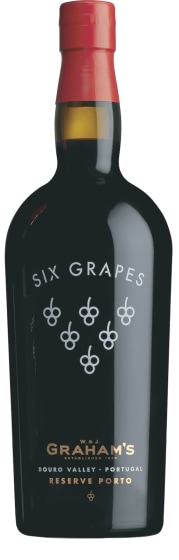 Douro, Portugal ● Port
 Douro, Portugal ● PortSold Out - was $25.99