2025 Vintage · En Primeur
2025 Bordeaux Futures
Your first look at an exceptional vintage offered direct from châteaux.
Bordeaux Futures at Wine.com
What are Bordeaux Futures?
Bordeaux Futures let you secure wine at the opening offer price while it’s still aging in barrel at the château. Bottles ship 18 to 24 months later with direct, unbroken provenance — one of the few ways to buy the most sought-after Bordeaux at its lowest price, in formats that rarely surface again.
Reserve nowThe Process
How Bordeaux Futures Works

Research & Decide
Browse the vintage — read critic notes, compare châteaux, and explore formats. Take your time; this is a considered purchase.

Place Your Reservation
Select your wines and quantities to request your allocation at the opening offer price. Your reservation secures your bottles at the château.

We'll Keep You Updated
Your wine continues aging in Bordeaux. We'll notify you when it's bottled and cleared for release — typically 18 to 24 months after your reservation.
Confirm & Ship
When your wines are ready, we’ll contact you to choose a delivery date. You’ll have the option to update your shipping address if needed.
The 2025 Buyer’s Briefing
-
“These wines have the concentration of a great solar vintage but the balance and elegance of a classic one.”
100°F Peak heatwave temp50°F Day-to-night swing6 wks Drought before rains’91 Last comparable yield -
An early, even flowering set a promising tone, with minimal disease pressure and virtually no frost. Then the heat arrived, 2025 was one of the hottest ever recorded in France, with temperatures peaking around 100°F during the heatwave. Rainfall was scarce until late August, creating nearly six weeks of significant drought.
A timely dose of rain then arrived easing vine stress, completing ripening, and moderating alcohol levels without dilution on the well-drained terroirs that matter most. However, those rains were far from uniform — distribution varied significantly between appellations, and in some cases between neighboring estates, adding an important layer of complexity to any appellation-level generalization.
One of the most striking features of the growing season was the pronounced diurnal temperature shift, with swings of up to 50°F between day and night at the height of summer. Despite the relentless daytime heat, nights remained cool enough to preserve natural acidity and it shows in the wines.
Yields and Terroir — 2025 is the smallest vintage in total production since 1991, the second year in a row to hold that record. Clay-limestone soils performed best through the drought; gravel and sandy sites were more exposed. But given the unevenness of the late rains, the usual appellation hierarchies are less reliable a guide than normal. Collectors would do well to focus on individual estates and winemaking credentials.
-
A Producer’s Vintage
When I ask producers how 2025 compares to recent benchmarks, the consistent answer is that it doesn’t — not cleanly. References to 2015, 2016, and 2022 come up regularly, but no single vintage captures it. That in itself tells you something important: 2025 has its own identity. What it shares with those great years is a combination of ripeness and structure; what sets it apart is the particular freshness and precision that the diurnal swings delivered, alongside moderate alcohol levels that none of those comparators achieved in quite the same way.
Critically, this is not necessarily a vintage defined by a single appellation or a single style of terroir. The inconsistency of the late August rains means the picture is slightly uneven across the region. What separates the outstanding wines from the merely good ones is almost entirely down to the decisions made in the vineyard and cellar. Producers who had strict selections, and approached extraction with a very gentle hand — respecting the natural concentration of small berries without pushing tannins to excess — made the most compelling wines. Those who over-extracted, even slightly, will have worked against the vintage’s greatest strength. 2025 is, above all, a producer’s vintage.
What to Expect in the Glass
What strikes me most about the 2025s is their combination of richness and restraint. The reds show a creamy, polished tannin texture, remarkable given the moderate alcohol levels, alongside pure, fresh aromatics that make these wines immediately expressive without sacrificing structure or longevity. The Merlots avoided over-ripeness thanks to the August rains, while the Cabernets are dense and deeply typical, with exceptional quality on the finest terroirs. The dry whites are bright and aromatic, Sauvignon leaning fruity rather than vegetal, Sémillon with real flesh and luminosity. Sauternes and Barsac may be the quiet stars of the vintage: noble rot developed rapidly and with exceptional purity, producing wines of aromatic brilliance and textural refinement.
The Verdict
Enthusiasm for 2025 is building, and having tasted across the appellations multiple times, I understand why. These wines have the concentration of a great solar vintage but the balance and elegance of a classic one, with a freshness that is genuinely surprising given the conditions. The defining lesson of 2025 is that the vintage rewarded skill and restraint over terroir privilege alone. Scarcity will drive demand. Quality, where producers made the right calls, will more than justify it. — Megan Johnson, Bordeaux Buyer
-
En Primeur is Bordeaux’s tradition of selling the newest vintage while it’s still aging in barrel.
Each spring, the châteaux of Bordeaux host Primeurs week: critics, négociants, and trade taste barrel samples of the previous year’s harvest. Over the weeks that follow, the châteaux release prices in tranches, and allocations flow out through the Place de Bordeaux — the centuries-old négociant network that distributes Bordeaux to merchants worldwide.
When you buy En Primeur on Wine.com, you’re securing your allocation at the opening offer. The wine continues aging in temperature-controlled storage in Bordeaux until it’s bottled and delivered — typically 18 to 24 months after release, putting 2025 deliveries in the 2028 window.
Reserve Now · Pay at Release
Wine.com Futures Concierge
Reserve 2025 Bordeaux Futures directly with our team — including bottles not yet available to purchase. Browse released and coming-soon offerings, set quantities, add optional limit prices, and we’ll handle fulfillment when the wines release.
Sign in to your Wine.com account to reserve futures.
Sign inAccount setup required
Before reserving futures, please complete the following on your account so we can place your order at release.
The Wine.com Difference
Why Buy Bordeaux Futures from Wine.com
-
01
Access
First pick of allocation-only wines and labels effectively spoken for before bottles reach retail.
-
02
Rare formats
Magnums, double-magnums, 3L, and original wooden cases available at En Primeur and rarely again.
-
03
Provenance
Direct-from-château custody, temperature-controlled storage in France, no prior ownership.
-
04
Seamless delivery
We coordinate bottling, export, and final-mile delivery. You’ll hear from us when your wines are ready.
-
05
Expert guidance
Our wine team tastes the vintage, talks to importers, and publishes notes on releases that matter.
Just Released
-
 Chateau Cheval Blanc (Futures Pre-Sale) 2025Bordeaux Red Blends from St. Emilion, Bordeaux, France
- RP
- V
- JS
- JD
- D
$509.97$509.97 -
 Chateau Cos d'Estournel (Futures Pre-Sale) 2025Bordeaux Red Blends from St. Estephe, Bordeaux, France
- JD
- JS
- V
- D
- RP
$124.97$124.97 -
 Chateau Mouton Rothschild (Futures Pre-Sale) 2025Bordeaux Red Blends from Pauillac, Bordeaux, France
- JS
- JD
- RP
- D
- V
$419.97$419.97 -
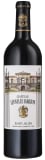 Chateau Leoville Barton (Futures Pre-Sale) 2025Bordeaux Red Blends from St-Julien, Bordeaux, France
- JD
- D
- V
- JS
- RP
$79.97$79.97 -
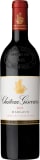 Chateau Giscours (Futures Pre-Sale) 2025Bordeaux Red Blends from Margaux, Bordeaux, France
- JS
- JD
- V
- D
- RP
$62.97$62.97 -
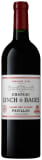 Chateau Lynch-Bages (Futures Pre-Sale) 2025Bordeaux Red Blends from Pauillac, Bordeaux, France
- JD
- JS
- V
- RP
- D
$97.97$97.97 -
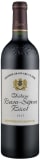 Chateau Beau-Sejour Becot (Futures Pre-Sale) 2025Bordeaux Red Blends from St. Emilion, Bordeaux, France
- V
- JD
- RP
- JS
- D
$80$65.97 -
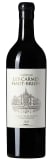 Chateau Les Carmes Haut-Brion (Futures Pre-Sale) 2025Bordeaux Red Blends from Pessac-Leognan, Bordeaux, France
- JS
- JD
- RP
- V
- D
$114.97$114.97 -
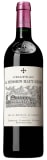 Chateau La Mission Haut-Brion (Futures Pre-Sale) 2025Bordeaux Red Blends from Pessac-Leognan, Bordeaux, France
- RP
- V
- JD
- JS
- D
$205.97$205.97 -
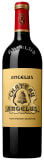 Chateau Angelus (Futures Pre-Sale) 2025Bordeaux Red Blends from St. Emilion, Bordeaux, France
- JS
- JD
- RP
- D
- V
$284.97$284.97 -
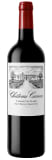 Chateau Canon (Futures Pre-Sale) 2025Bordeaux Red Blends from St. Emilion, Bordeaux, France
- V
- JS
- RP
- JD
- D
$109.97$109.97 -
 Chateau Branaire-Ducru (Futures Pre-Sale) 2025Bordeaux Red Blends from St-Julien, Bordeaux, France
- JS
- JD
- RP
- V
- D
$47.97$47.97 -
 Chateau La Gaffeliere (Futures Pre-Sale) 2025Bordeaux Red Blends from St. Emilion, Bordeaux, France
- V
- JD
- JS
- D
- RP
$59.97$59.97 -
 Domaine de Chevalier (Futures Pre-Sale) 2025Bordeaux Red Blends from Pessac-Leognan, Bordeaux, France
- JS
- V
- D
- JD
- RP
$54.97$54.97 -
 Chateau Soutard (Futures Pre-Sale) 2025Bordeaux Red Blends from St. Emilion, Bordeaux, France
- JD
- JS
- RP
- V
- D
$36.97$36.97 -
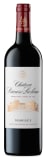 Chateau Prieure-Lichine (Futures Pre-Sale) 2025Bordeaux Red Blends from Margaux, Bordeaux, France
- JD
- JS
- D
- V
- RP
$37.97$37.97 -
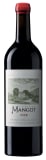 Chateau Mangot (Futures Pre-Sale) 2025Bordeaux Red Blends from St. Emilion, Bordeaux, France
- JD
- D
- RP
- JS
- V
$29.97$29.97 -
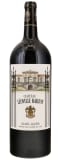 Chateau Leoville Barton (1.5 Liter Magnum Futures Pre-Sale) 2025Bordeaux Red Blends from St-Julien, Bordeaux, France
- JD
- D
- V
- JS
- RP
$164.97$164.97 -
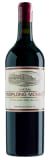 Chateau Troplong Mondot (Futures Pre-Sale) 2025Bordeaux Red Blends from St. Emilion, Bordeaux, France
- RP
- JD
- V
- JS
- D
$104.97$104.97 -
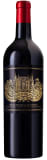 Chateau Palmer (Futures Pre-Sale) 2025Bordeaux Red Blends from Margaux, Bordeaux, France
- RP
- JD
- JS
- V
- D
$269.97$269.97 -
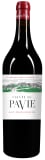 Chateau Pavie (Futures Pre-Sale) 2025Bordeaux Red Blends from St. Emilion, Bordeaux, France
- JS
- JD
- V
- D
$219.97$219.97 -
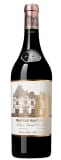 Chateau Haut-Brion (Futures Pre-Sale) 2025Bordeaux Red Blends from Pessac-Leognan, Bordeaux, France
- JD
- RP
- V
- JS
- D
$399.97$399.97 -
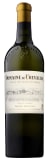 Domaine de Chevalier Blanc (Futures Pre-Sale) 2025Bordeaux White Blends from Pessac-Leognan, Bordeaux, France
- JS
- V
- D
- JD
- RP
$99.97$99.97 -
 Chateau Suduiraut Sauternes (375ML Futures Pre-Sale) 2025Other Dessert from Sauternes, Bordeaux, France
- JD
- JS
- V
- D
$31.97$31.97 -
 Chateau Pedesclaux (Futures Pre-Sale) 2025Bordeaux Red Blends from Pauillac, Bordeaux, France
- JS
- D
- JD
- V
- RP
$35.97$35.97
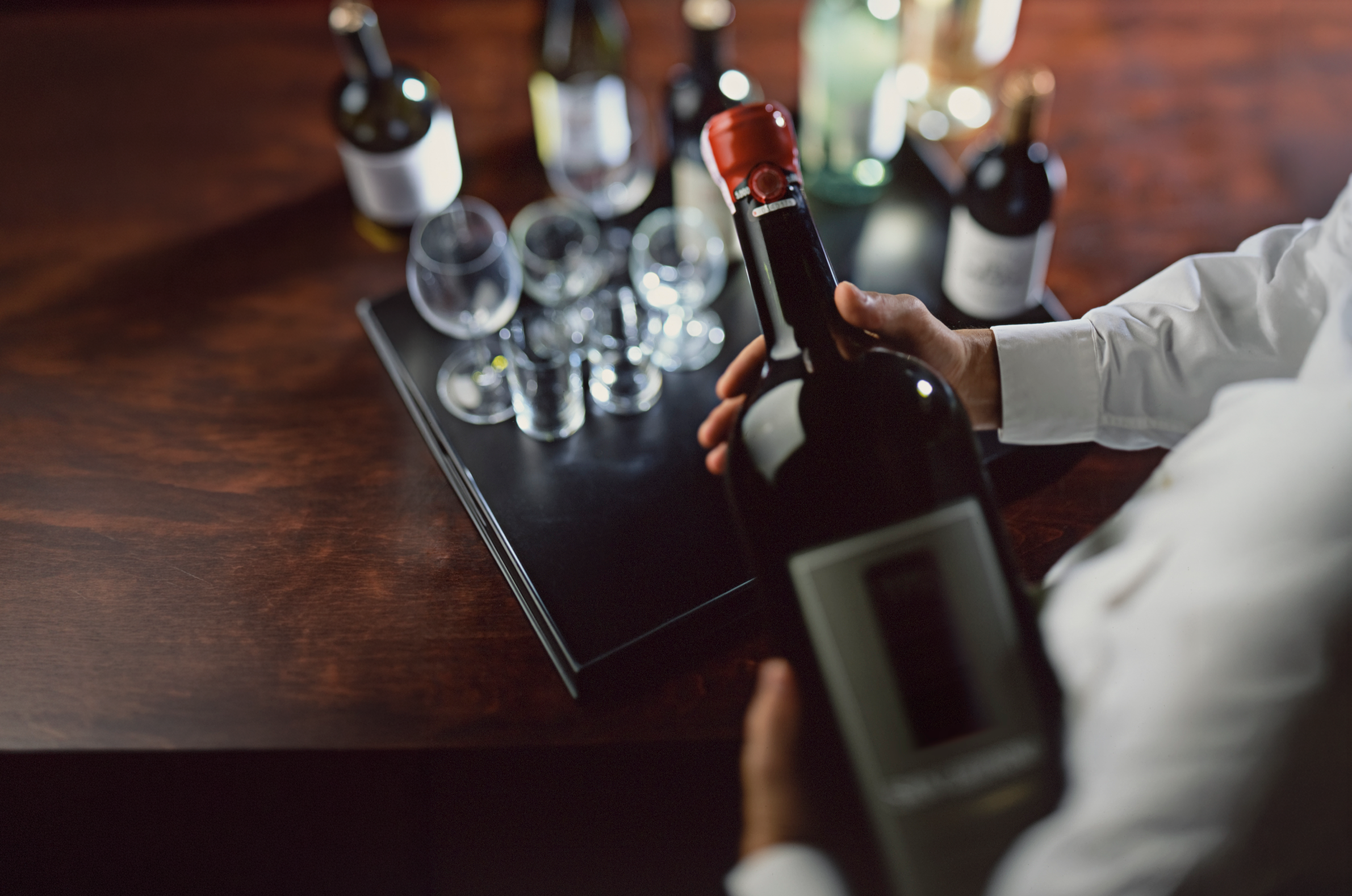
Magnums, Large Formats & OWCs
The formats that disappear at release
One of the durable reasons collectors buy En Primeur: this is when magnums, double-magnums, 3-liter bottles, and original wooden cases are available. Production is small, allocations are tight, and once the vintage is bottled and released, these formats are effectively gone from the primary market.
Common Questions
Bordeaux Futures FAQ
-
Bordeaux Futures (also called En Primeur) are a way to purchase Bordeaux wines while they’re still aging in the barrel — before they’re bottled and released to the public. You pay now, often at the lowest possible price, and receive the wine later (usually 18–24 months after harvest). It’s a tradition that gives you early access to highly sought-after vintages, rare formats, and guaranteed provenance straight from the château.
-
A confirmed allocation of 2025 vintage Bordeaux from the listed château, in the listed format. The wine is still aging in barrel at the property — you're securing it at the opening offer.
-
Typically 18 to 24 months after the Futures release, so 2025 deliveries are expected in 2028. We'll reach out once your wines are bottled and ready to ship.
-
Free of charge, in temperature-controlled storage in France — directly under the château's supervision or at our bonded partner facility. No prior ownership, no outside handling.
-
Standard 750ml bottles, magnums (1.5L), double-magnums (3L), and original wooden cases (OWC), depending on the château and the wine. Rare formats have limited production and are usually offered only at En Primeur.
-
Yes. Futures orders can be cancelled, with a 20% cancellation fee applied to the order value.
-
In addition to the price of the wine as listed, estimated sales tax and shipping are also assessed now at checkout. Prices do not reflect any tariffs that may be applicable at time of importation and would be due prior to delivery.
-
Yes. Additional releases can be added throughout the 2025 campaign. You'll be billed and allocated per release.
-
Start with our Wines of the Vintage section above, which curates top-scoring wines across critics. Your Wine.com team is also available by chat, phone, or email to help you build a list for your collection.
The 2025 Vintage
A classical Bordeaux, earned the hard way
The 2025 vintage is classical Bordeaux made under anything but classical weather: a hot, dry growing season that, against the odds, delivered small, structured wines with moderate alcohol and real freshness.
Five Things to Understand About 2025
Early vintage, picking began as early as mid-August for some whites.
Record Low Yields, not primarily because of summer drought but due to poor floral induction inherited from the difficult 2024 season.
Naturally Moderate Alcohol. drought between flowering and fruit set slowed sugar loading by roughly a third producing wines of genuine balance.
Acid Retention:The large day-to-night temperature swings favored aromatic precision.
Full Flavor Development:Late August rains allowed the grapes to achieve full phenolic ripeness, while softening skins, allowing for the gentle extractions that define the vintage's texture.
Left Bank
Cabernet country, built for the cellar
West of the Garonne — Pauillac, St-Julien, Margaux, St-Estèphe, Pessac-Léognan. The warm, dry 2025 growing season favored estates with deep gravel soils, patient canopy work, and Cabernet Sauvignon at the core of the blend. Expect firm tannin, cedar and graphite aromatics, and wines that ask for time in the cellar.
Explore More
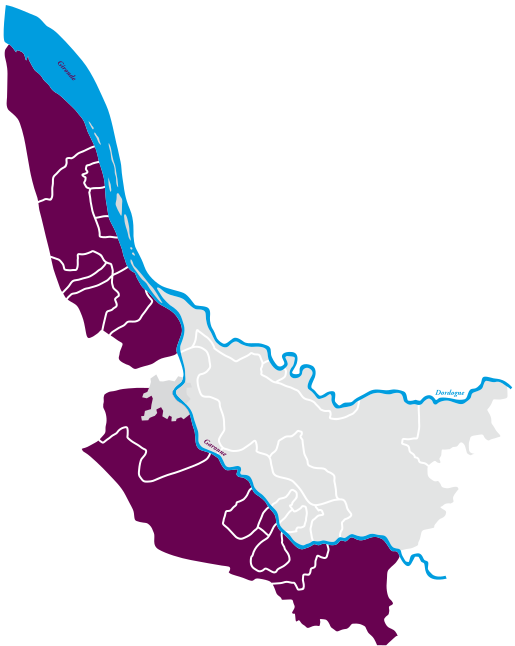
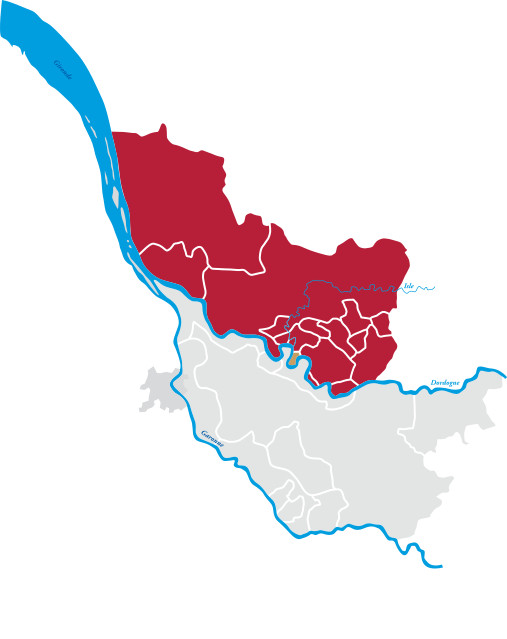
Right Bank
Merlot, Cabernet Franc, and the picking-window vintage
East of the Dordogne — St-Émilion, Pomerol, and the satellite appellations. Merlot ripened fast in 2025’s heat, compressing picking windows and rewarding estates with the discipline to pick on flavor rather than sugar. Cabernet Franc had a standout year — fragrant, fine-boned, and often the secret weapon of the best Right Bank blends.
Explore More