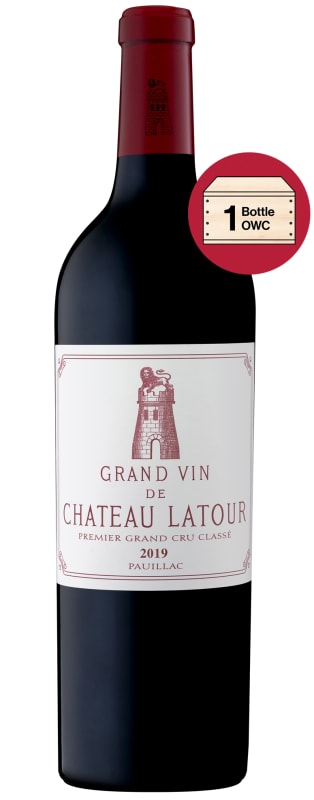


Winemaker Notes
Blend: 92.5% Cabernet Sauvignon, 7.5% Merlot
Professional Ratings
-
Decanter
A seductive sweetness to the fruit on the attack, this waits a heartbeat then explodes out of the glass, overflowing with raspberry, redcurrants, black cherries, cassis and iris flowers. A silky confident and extremely well-controlled Latour where you can feel the precision and the inching forward through the palate of the different elements. It feels both extremely delicate at one level, yet expansive and concentrated, particularly from the mid palate onwards with a grip of tannins that lifts, expands and keeps on going. Those clay-gravel soils have meant there is not a hint of fig or prune, instead it is rich and fresh and very juicy. I love how Latour has re-framed itself in recent years with the move to biodynamics and yet shown that a truly great estate can evolve without losing its brilliance. 100% new oak, tannin count 78IPT, 36% of overall production in the first wine.
Barrel Sample: 98-100 -
Jeb Dunnuck
Looking at the Grand Vin, the 2019 Château Latour is another perfect wine in the vintage and is as prodigious as they come. Revealing a deep purple hue, it displays a powerful and complex array of pure Pauillac cassis-like fruit as well as lead pencil, graphite, chalky minerality, truffle, and espresso and shows the vintage’s more elegant style perfectly, with nothing out of place. It is medium to full-bodied, with ripe, sweet tannins, but it still has that classic Latour regalness, concentration, structure, and class, with just a hint of its normal youthful austerity. This flawless balanced, structured, insanely good Latour will be drinkable in just 7-8 years but evolve for 40-50 years in cold cellars. Hats off to the team of technical director Hélène Génin and CEO Frédéric Engerer.
-
Robert Parker's Wine Advocate
The 2019 Latour is a profound wine in the making, and it will surely emerge as one of the most long-lived wines of the vintage, as well as one of the greatest. Unwinding in the glass with scents of rich cassis fruit, English walnuts, cigar wrapper, black truffle, loamy soil and violets, it’s full-bodied, layered and muscular, with huge depth at the core, ripe tannins and lively acids, concluding with a long, seemingly interminable finish. Checking in at 14.1% alcohol, this prodigious Latour will require two decades to hit its stride, but it will be more than worth the wait.
Rating: 99+
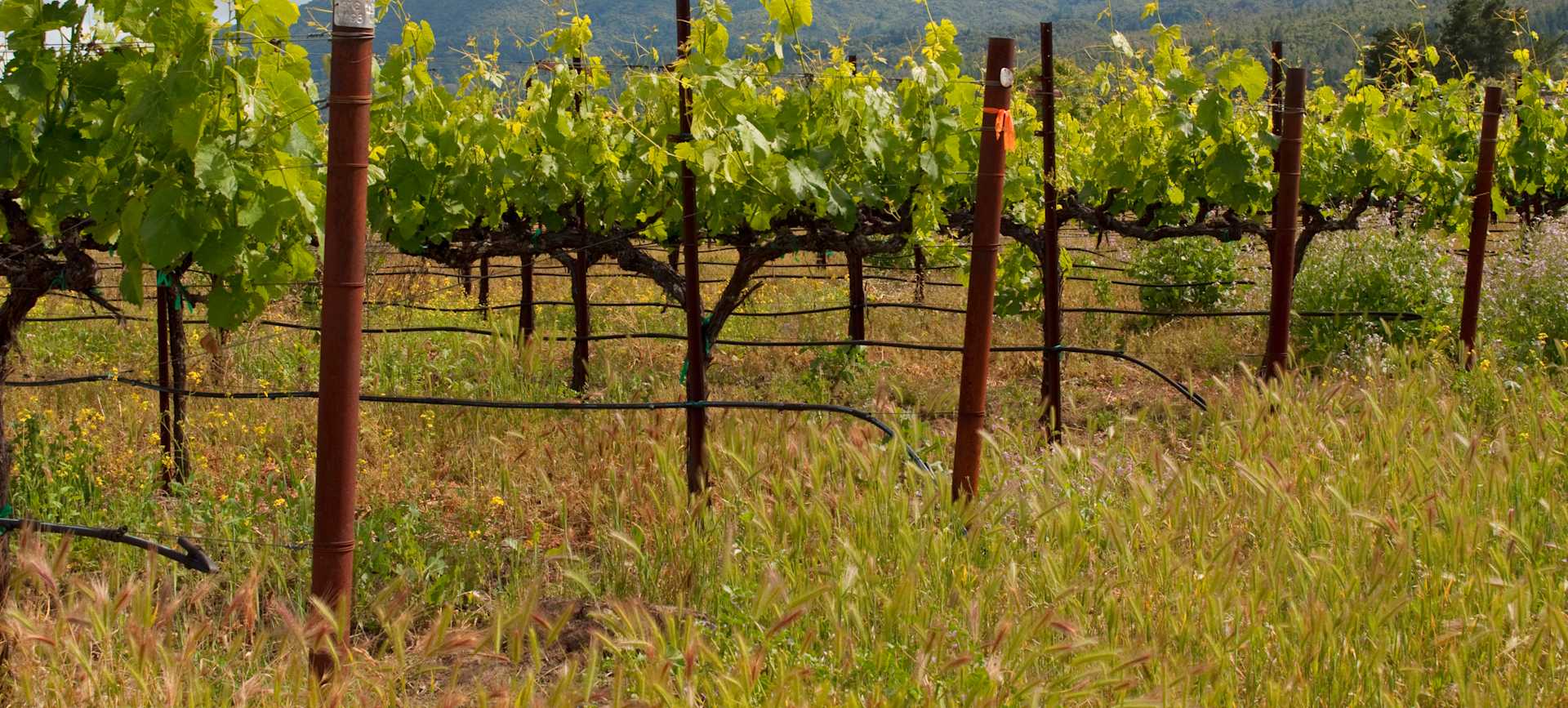

One of the world’s most classic and popular styles of red wine, Bordeaux-inspired blends have spread from their homeland in France to nearly every corner of the New World. Typically based on either Cabernet Sauvignon or Merlot and supported by Cabernet Franc, Malbec and Petit Verdot, the best of these are densely hued, fragrant, full of fruit and boast a structure that begs for cellar time. Somm Secret—Blends from Bordeaux are generally earthier compared to those from the New World, which tend to be fruit-dominant.

The leader on the Left Bank in number of first growth classified producers within its boundaries, Pauillac has more than any of the other appellations, at three of the five. Chateau Lafite Rothschild and Mouton Rothschild border St. Estephe on its northern end and Chateau Latour is at Pauillac’s southern end, bordering St. Julien.
While the first growths are certainly some of the better producers of the Left Bank, today they often compete with some of the “lower ranked” producers (second, third, fourth, fifth growth) in quality and value. The Left Bank of Bordeaux subscribes to an arguably outdated method of classification that goes back to 1855. The finest chateaux in that year were judged on the basis of reputation and trading price; changes in rank since then have been miniscule at best. Today producers such as Chateau Pontet-Canet, Chateau Grand Puy-Lacoste, Chateau Lynch-Bages, among others (all fifth growth) offer some of the most outstanding wines in all of Bordeaux.
Defining characteristics of fine wines from Pauillac (i.e. Cabernet-based Bordeaux Blends) include inky and juicy blackcurrant, cedar or cigar box and plush or chalky tannins.
Layers of gravel in the Pauillac region are key to its wines’ character and quality. The layers offer excellent drainage in the relatively flat topography of the region allowing water to run off into “jalles” or streams, which subsequently flow off into the Gironde.