Distiller Notes
Tesseron Lot 29 Exception XO Cognac is the rare jewel of the Tesseron collection of Cognacs. A unique blend of legendary Grande Champagne, the cream of our oldest and rarest stocks, lovingly aged for at least three generations. Balancing power and finesse, this is supremely elegant, this combines macerated dried fruit with hints of mocha and cocoa, refreshed by floral aromatics. This is extremely well balanced and wonderfully complex with marmalade notes emerging on a persistent, stylish finish.
Professional Ratings
-
Robert Parker's Wine Advocate
The Tesseron family, who made their fortune in Cognac (but are probably best known by wine lovers as the proprietor of Pontet Canet and Lafon Rochet) released tiny quantities of single vintage Cognacs. Although French law does not permit a vintage date to be used, this is all from 1929, and is very limited in availability. I'm not an expert on Cognac, but anything this smooth, silky, potent, and aromatic, is truly great stuff. It is about as ethereal Cognac as anyone could ever hope to drink.
-
Wine Enthusiast
The nut-paste, oaky scents take on a citrusy tone as the smell turns fruitier the more it aerates; lovely and compelling. The palate entry is supple, fruity sweet, and ripe; the midpalate stage highlights melded flavors of light caramel, marzipan, and nougat. Ends up oaky- sweet, lightly spiced and satiny.
Range: 90-95
Cognac Tesseron specializes in high-end cognacs. As their marketing slogan suggests, they only produce "XO and Beyond", so cognacs from the XO age onwards. From their ancestral home Domaine Tesseron in Chateauneuf-sur-Charente, which lies between Cognac and Angoulême, the Tesseron family traditionally used to sell its eaux-de-vie to the large cognac houses. But in 2003 they decided to release a range under their own family name. The Tesseron's are also active in wine production, owning Chateau Pontet-Canet – a Pauillac classified property producing Grand Cru Classé Bordeaux wine.
Alfred Tesseron is the third generation of Tesseron men with deep roots in the truest tradition of cognac and wine. From his father, Guy Tesseron, he inherited the gift of creating cognacs of great style and elegance. Having spent his youth in France, Alfred Tesseron, worked in America for a leading US distributor before joining, and making of the one most successful Grand Crus in Paulliac, Medoc.
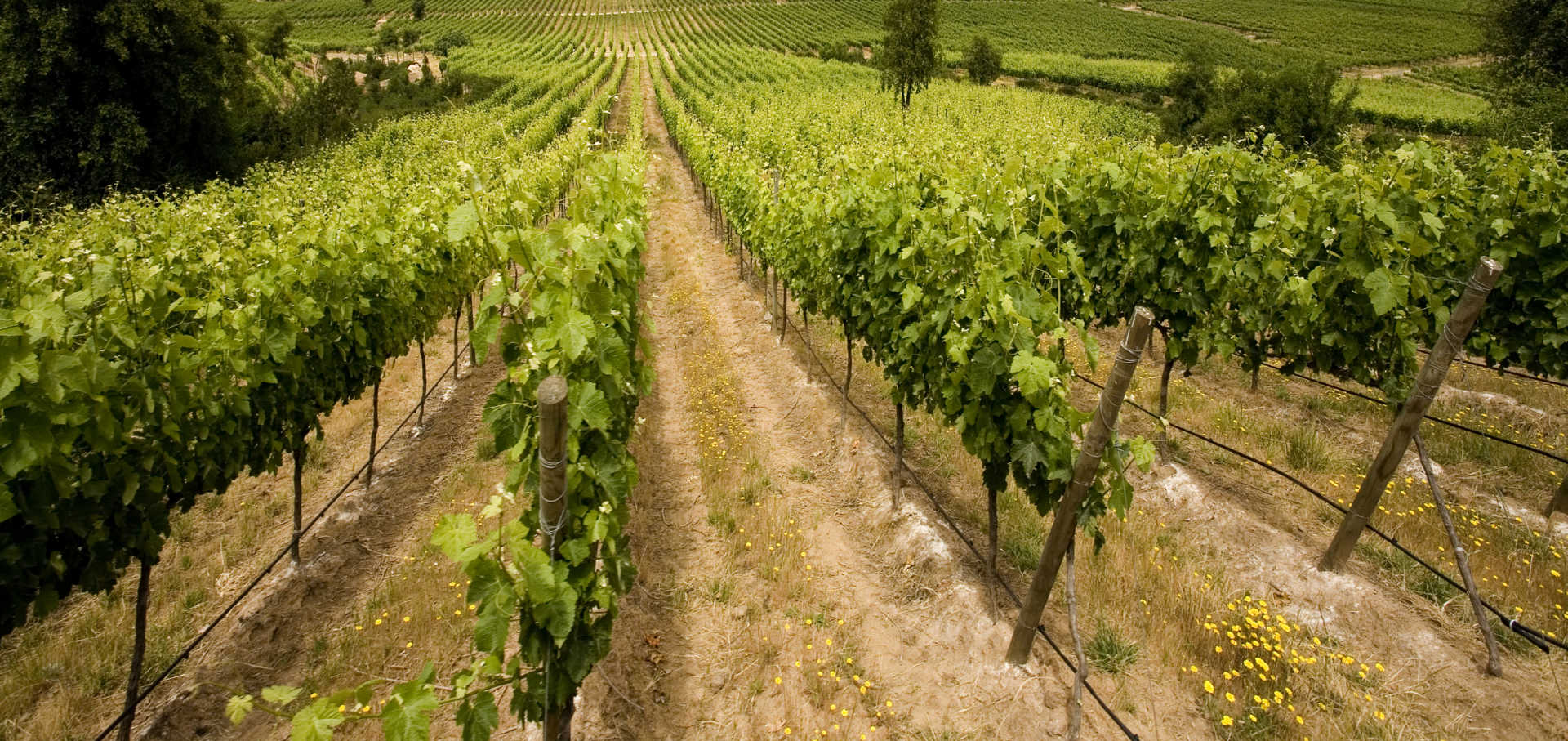
All three traditional Cognac grape varieties Ugni Blanc, Folle Blanche and Colombard are still grown on the Tesseron estates. Folle Blanche and Colombard have almost disappeared in the region as they are difficult to grow and produce small crops, but they are important as they add an extra dimension to the final blend. The grapes are gathered during the long, warm, sunny days of early autumn and fermented to make a low strength, acidic wine of around 8% volume. The distillation is tightly controlled from the 1st of October through to the 31st of March of the following year. The Tesseron cognacs are double distilled in gleaming copper 'pot' stills heated by a naked flame. Only the 'heart' of the distillation is selected for maturation into Cognac.
The cool, damp Tesseron cellars dating back to the 13th century were once part of the crypt of the local church. It is here that the young 'eaux-de-vie' will be laid to rest, left in peace quietly to age and mature in old oak casks for many years. These casks were made by craftsmen from ancient oaks felled in the nearby forests of Limousin. During maturation the ageing Cognac will gently oxidize, soft tannins will be absorbed from the old oak casks and some will evaporate and be lost forever – the 'angels' share. These special Cognac are among the finest every produced. Each has it own unique identity and are perfect for the connoisseur or as a gift.
Widely regarded as the finest and most complex grape-based spirit in the world, Cognac follows rigorously strict production guidelines. It is made exclusively of wine—most commonly from Ugni Blanc—from the Charente and Charente-Maritime regions surrounding the town of Cognac in southwestern France. After a second distillation in antique copper pot stills (called charentais), the spirit is transferred to French oak barrels and aged a minimum of two years (VS). Cognac is classified by both age and region (Cru). The Grande Champagne Cru and Petite Champagne Cru, both having shallow limestone soils, are the most respected.
